


-

Add: HeBei ShengShi HongBang Cellulose Technology CO.,LTD.
-

Email
13180486930@163.com -

CONTACT US
+86 13180486930

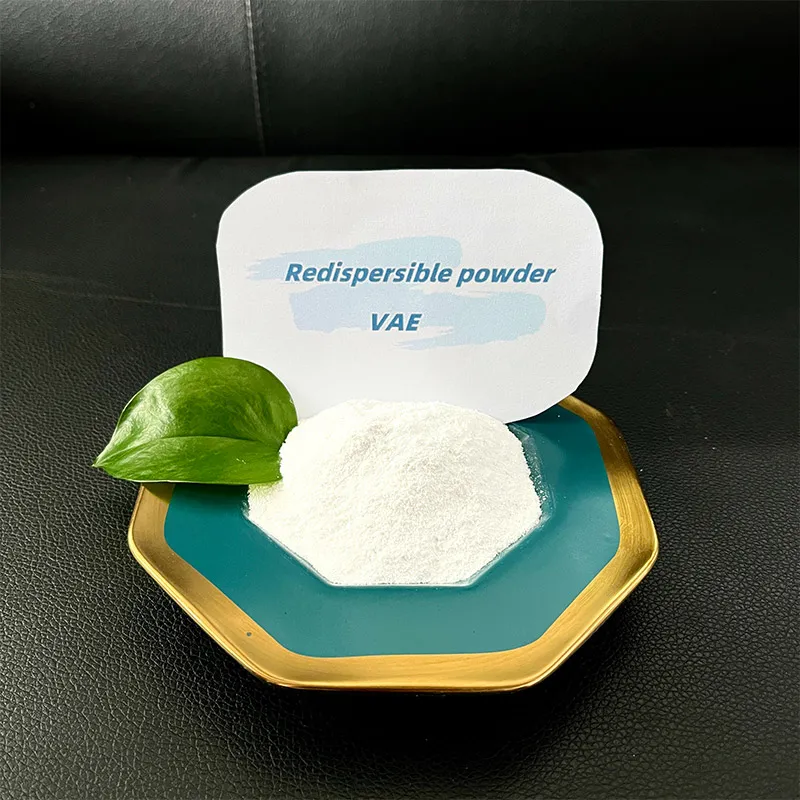


Hydroxypropyl methylcellulose (HPMC) has been a prominent player in the world of construction and pharmaceuticals owing to its versatile properties . The pricing landscape of HPMC can fluctuate due to several factors, crucial for businesses and stakeholders to understand for strategic decision-making. This article delves into the nuances of HPMC pricing while integrating real-world insights, professional knowledge, authority, and reliability. HPMC is celebrated for its multifunctionality, providing thickening, emulsifying, and stabilizing properties. These attributes render it indispensable in industries ranging from building materials to personal care products. The price of hydroxypropyl methylcellulose is influenced by raw material costs, production processes, and market demand, which are intertwined intricacies every professional should comprehend. Insights from Industry Experts Engaging with industry experts reveals that one of the pivotal factors affecting HPMC pricing is the cost of raw cellulose and the chemicals used in its etherification. Fluctuations in cellulose prices, often affected by agricultural conditions and supply chain disruptions, directly impact HPMC costs. In addition, energy prices carry weight in the pricing equation due to the energy-intensive process of producing HPMC, making it susceptible to global geopolitical situations that alter energy market dynamics. The Role of Market Demand Market demand plays a critical role in establishing HPMC prices. As more industries discover innovative applications for HPMC, the demand chain expands. For example, in construction, the escalating demand for sustainable and green building materials has intensified interest in HPMC due to its environmental benefits and role in reducing material waste. Additionally, the burgeoning pharmaceutical sector relies on HPMC as an excipient, further driving demand. hydroxypropyl methylcellulose price Authoritative Market Analysis An authoritative analysis of current market trends shows that China and India are significant production hubs for HPMC due to their abundant raw material resources and cost-effective production capabilities. Key players in these regions often have a significant influence on global pricing structures. Furthermore, regulatory changes concerning environmental policies in these countries can lead to shifts in production costs, consequently affecting international prices. Trustworthy Sources and Reports Relying on trustworthy market reports and data from established financial analytics firms provides deeper insights into pricing trends and forecasts. Recent reports indicate that prices have been moderately stable, with anticipated growth attributed to advancements in application technology and increasing environmental awareness among consumers. Strategic Recommendations Businesses relying on HPMC should adopt a strategic approach to mitigate price volatility risks. Diversifying supply sources, investing in local production facilities, and adopting alternative technological methods are potential strategies to achieve cost efficiency and stable pricing. Moreover, maintaining transparent relationships with suppliers can foster mutual trust and facilitate better negotiated pricing. In conclusion, understanding the pricing structure of hydroxypropyl methylcellulose involves an intricate blend of raw material costs, market demand dynamics, and regional economic policies. For businesses in construction, pharmaceutical, and beyond, a forward-thinking strategy backed by expert insight and authoritative data sources can ensure effective management of costs associated with this essential compound.
- 40000tons

Production
- 20+years

Experience
- 5000+㎡

Acreage

-
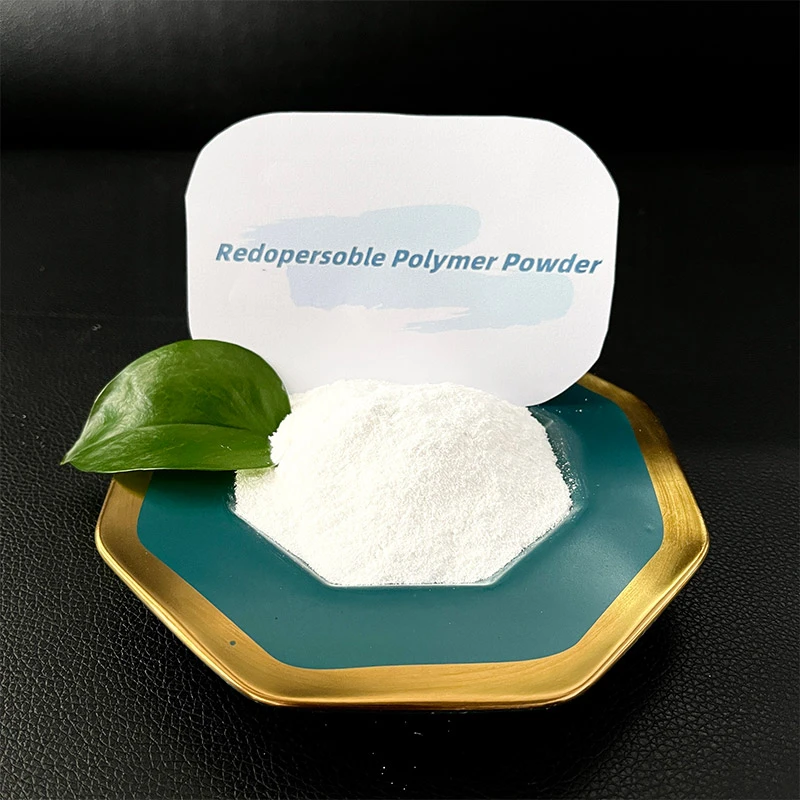
Tylose HPMC, commonly known as Hydroxypropyl Methylcellulose, is a multifunctional ingredient that continues to gain traction globally, particularly in the construction, pharmaceutical, and food industries. Its unique properties make it essential for enhancing product performance across various applications, from thickening agents in food products to adhesive functionalities in construction materials. Understanding its versatility not only highlights the expertise behind its formulation but also instills trust in industries relying on its advantages. Within the construction sector, Tylose HPMC is celebrated for its role in improving the workability and performance of construction materials. When integrated into cement-based products, it acts as a water retention agent, significantly enhancing the open time and working conditions of tile adhesives, plasters, and mortars. This is pivotal for construction professionals seeking products that offer consistent quality and ease of application. In addition, Tylose HPMC contributes to improved adhesion and sag resistance, ensuring stability and longevity of the applied products, a factor critically acclaimed by construction experts who prioritize durability. In pharmaceutical formulations, Tylose HPMC is revered for its efficacy and safety. It serves as a binder in tablet manufacturing, providing mechanical strength and controlled release properties essential for high-quality pharmaceutical products. This utility is validated by numerous studies showcasing its biocompatibility and non-toxicity, which are paramount for applications where product safety is of utmost importance. The molecule's ability to form a protective colloid also lends to its use in ophthalmic solutions, where it helps in retaining moisture and providing soothing relief, assuring medical professionals of its adaptability and reliability in sensitive applications. The food industry leverages Tylose HPMC for its thickening and stabilizing properties . Its use in food products like sauces and dressings results in desirable textures and consistency without altering the taste. Recognized for being non-digestible and therefore not contributing to calorie intake, it offers an appealing solution for developing low-calorie and dietary-specific products. Food technologists value this capability, as it aligns with the increasing consumer demand for health-oriented products without compromising on sensory attributes. tylose hpmc Tylose HPMC’s environmental benefits cannot be overlooked, particularly its role in promoting sustainability. Derived from cellulose, a plant-based raw material, Tylose HPMC is biodegradable, exerting minimal impact on the environment. Its ability to replace synthetic alternatives in various applications endorses its use in industries aiming for greener and more sustainable practices. This adaptability not only champions eco-friendliness but also reaffirms the trust of environmentally conscious manufacturers and consumers. The credibility of Tylose HPMC is further solidified by its inclusion in various industry standards and certifications, which authenticate its quality and efficacy across applications. Users and developers around the world rely on these endorsements to ensure they are incorporating a component that adheres to the top-tier standards of performance. This authoritative backing is crucial for professionals who demand consistent results, pushing Tylose HPMC to become a staple choice globally. In essence, Tylose HPMC's unique properties underscore its status as an indispensable material across multiple industries, reinforcing its standing as a product of scientific expertise and trustworthiness. Its ability to address critical functionalities, from enhancing construction material performance to contributing to advances in pharmaceutical and food technology, exemplifies the depth of its application spectrum. As industries continue to innovate and enhance their offerings, the role of Tylose HPMC becomes increasingly significant, bridging the gap between advanced material solutions and sustainable practices.
-
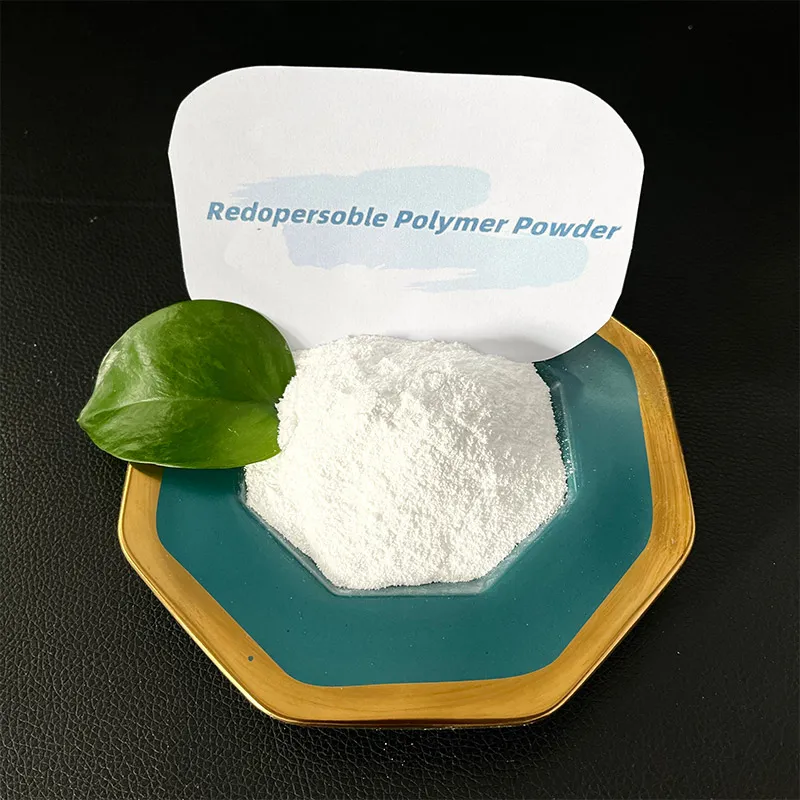
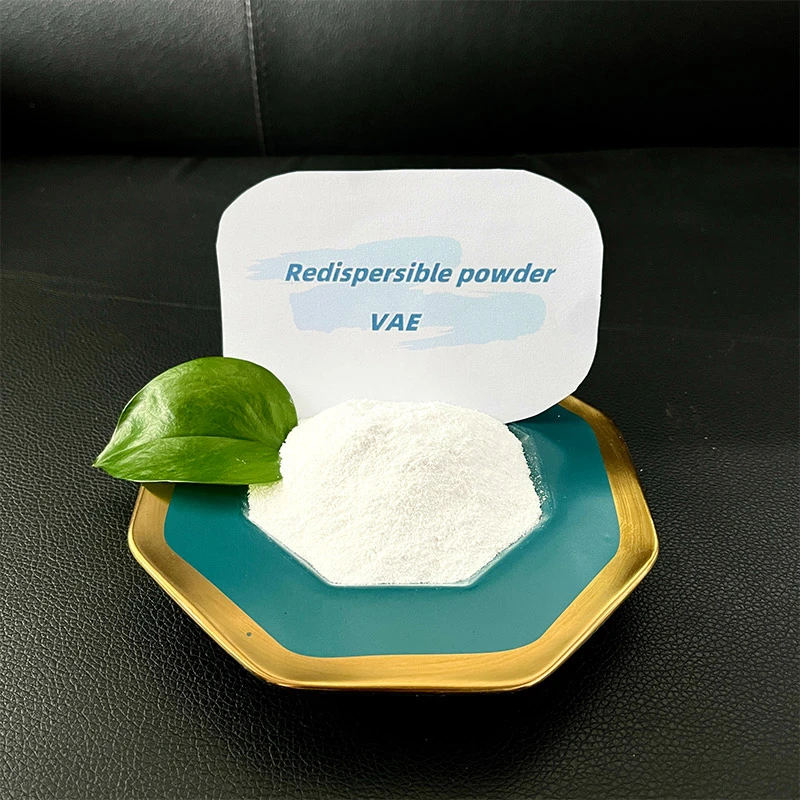
In modern construction and industrial applications, materials like redispersible polymer powder , vinyl acetate ethylene copolymer powder , and redispersible latex powder have transformed traditional practices. These advanced powders enhance performance, durability, and flexibility, enabling industries to meet contemporary demands. Meanwhile, innovations such as LDPE powder add to the versatility of polymer technology. Redispersible Polymer Powder: Enhancing Construction Efficiency Redispersible polymer powder is a key ingredient in cementitious and gypsum-based products, offering superior binding and flexibility. It works by redistributing when mixed with water, forming a film that strengthens mortar, adhesives, and plasters. The powder’s ability to improve adhesion, flexibility, and water resistance has made it indispensable in modern construction projects. Contractors rely on redispersible polymer powder to enhance tile adhesives, self-leveling compounds, and external insulation systems. Its easy integration into dry mix formulations simplifies production and application, making it a go-to solution for efficient and durable results. Vinyl Acetate Ethylene Copolymer Powder: The Backbone of Flexibility Among advanced construction materials, vinyl acetate ethylene copolymer powder stands out for its unique properties. This versatile copolymer enhances the performance of construction products by providing improved elasticity, adhesion, and crack resistance. Its ability to act as a stabilizing agent makes it ideal for applications like waterproofing membranes, grouts, and render systems. The synergy between vinyl acetate ethylene copolymer powder and other components, such as cement, creates durable and flexible formulations. By selecting high-quality redispersible polymer powder , which often includes this copolymer, manufacturers can meet the growing demands of the construction industry for more sustainable and reliable products. Redispersible Latex Powder: Versatility Across Applications For manufacturers seeking a material that offers multi-functional benefits, redispersible latex powder is an excellent choice. This innovative powder improves water retention, adhesion, and flexibility in a wide range of products, including tile adhesives, mortars, and sealants. Its redispersible nature makes it easy to transport and mix, streamlining the manufacturing process. In addition to its construction applications, redispersible latex powder plays a role in other industries, such as textiles and coatings. Its compatibility with various additives allows for customization, enabling businesses to create tailored solutions that meet specific needs. With its reliability and ease of use, redispersible latex powder remains a trusted material across sectors. LDPE Powder: Expanding Polymer Applications Complementing the benefits of redispersible polymer powder is LDPE powder , a material known for its flexibility and chemical resistance. Low-density polyethylene (LDPE) in powdered form offers a range of applications, from industrial coatings to plastic manufacturing. Its ability to enhance surface smoothness and impact resistance makes it a valuable addition to diverse industries. In construction, LDPE powder is often used to improve the performance of paints, adhesives, and waterproofing products. Its lightweight and non-toxic nature further contribute to its popularity. When combined with vinyl acetate ethylene copolymer powder or redispersible latex powder , it creates synergistic effects that maximize the durability and efficiency of the final product. Why Choose Redispersible Polymer Powder for Your Needs? Investing in high-quality redispersible polymer powder ensures improved performance and efficiency across various applications. Its ability to strengthen and enhance flexibility makes it an essential material in construction, while its compatibility with innovations like vinyl acetate ethylene copolymer powder and redispersible latex powder expands its versatility. For industries looking to optimize processes and products, materials such as LDPE powder provide additional opportunities for innovation. By leveraging the strengths of these advanced polymers, businesses can create solutions that are both cost-effective and environmentally friendly. Embrace the future of construction and manufacturing with redispersible polymer powder , vinyl acetate ethylene copolymer powder , and LDPE powder . These cutting-edge materials are paving the way for stronger, more sustainable, and more versatile products.
advantages
-

200000 Viscosities
Excellent product
We can produce pure products up to 200,000 viscosities
-

40000 tons
High yield
We don’t stop production all year round, and the annual output can reach 40,000 tons
-

24 hours
Quality service
We provide 24-hours online reception service, welcome to consult at any time
———— Inquiry Form
Schedule A services


-
 adding_rebar_to_concrete
Oct . 25, 2025
Hydroxypropyl methylcellulose (HPMC), also known as hypromellose, is a versatile compound used in va -
 hpmc_connect
Oct . 25, 2025
Hydroxypropyl Methylcellulose, commonly referred to as HPMC, is a multi-faceted cellulose-based poly -
 nylon_man_made
Oct . 25, 2025
Low melt polyester staple fiber is carving out a critical niche across various industries due to its


